Is this property worth it?
Work out cash flow, cap rate and return on a rental before you buy it. Everything here comes from the numbers you type — change them and the answer moves with you.
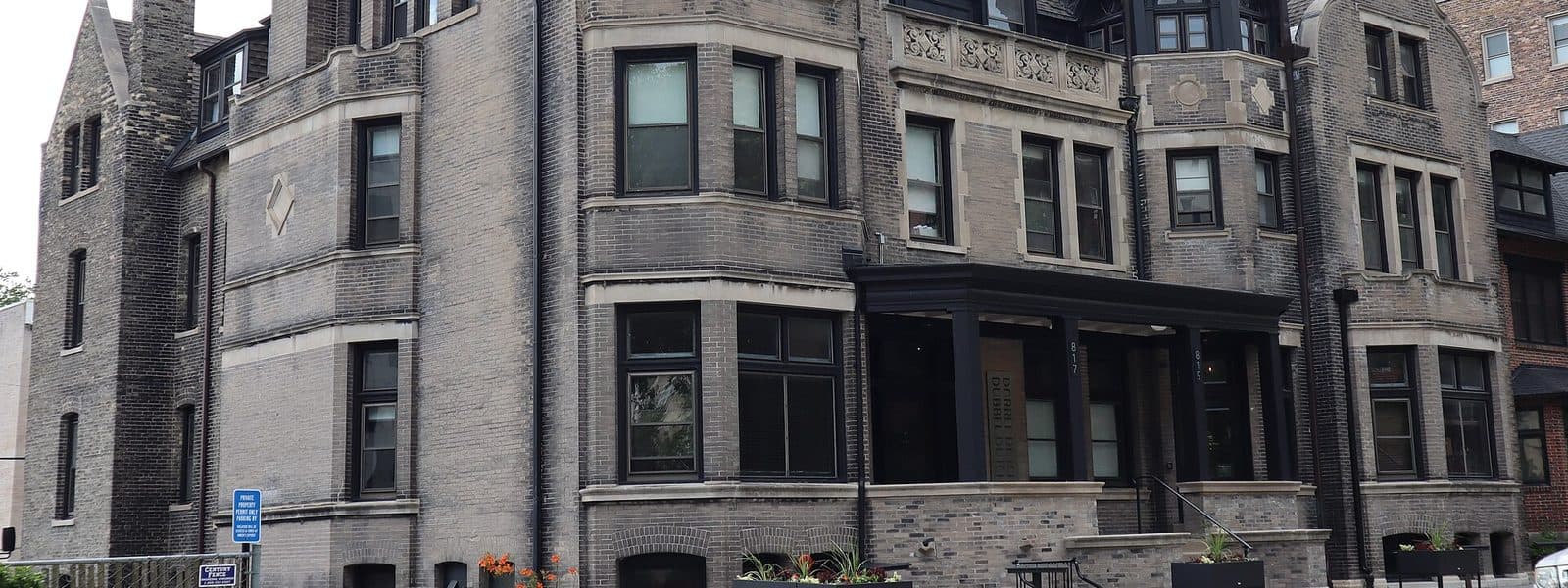
The property
Only used to find comparable rents nearby. We don't store it.
Income
Enter an address above to see comparable rents nearby.
What is this?
No unit is rented 365 days a year. 6% is roughly three weeks of turnover; a stable long-term tenant is less, and a rough move-out with repairs is more.
Financing
What is this?
Put less than 20% down and the lender usually requires insurance that protects them, not you. It sits here rather than under expenses on purpose: it's a cost of the loan, so it lowers your cash flow and DSCR but never touches NOI or cap rate — which is what lets you compare this property against one bought for cash.
Expenses
What is this?
Look up the parcel's actual tax bill instead of estimating it — it's public record on the assessor's site, and it's the line that most often turns a good-looking deal negative.
We don't have assessments for this area yet. Look up this property's actual tax on your county assessor's site — it's free public information, and it's the line that most often decides whether a deal works.
What is this?
A landlord policy, not a homeowner's — they're different products, and the landlord one usually costs more.
What is this?
Landlord registration, trash, pest control — the municipal charges that aren't property tax. They're real in Milwaukee and almost nobody puts them in their numbers.
What is this?
What it costs to get the unit ready for the next tenant: paint, cleaning, carpet, a lock. Vacancy above only counts the empty weeks; this is the spending that comes with them, and it's usually the bigger of the two.
What is this?
Day-to-day repairs: the furnace call, the leaking faucet, the appliance that dies. Charged against the rent you actually collect.
What is this?
Money set aside for the big replacements that aren't “repairs”: roof, furnace, windows, service line. They come rarely and cost thousands. A deal that only works with this at 0 is a deal that works until the roof goes.
What is this?
What a company charges to run the unit for you, usually 8–10% of collected rent. Leave it at 0 only if you're certain you'll never hand it off — including the year you move or get sick.
Work it backwards: what can you pay?
Set the return you're shopping for and this solves for the highest price that still delivers it, using the rent and costs you entered above. The numbers it starts with are conventions, not recommendations — put your own in.
Enter a monthly rent and your expenses above to solve for a price.
“—” means no price reaches that target with these numbers: either the property doesn't cover its costs at any price, or the target needs a loan and you've entered 100% down.